I am not sure when I first met Death… I have known them as long as I can recall.
Growing up in a rural town, making a living off the land, we took life in order to live. My father hunted elk for meat, and we butchered chickens, cows, and pigs.
I also had a soft spot for animals of every shape and size. Many times I raised a wounded or lost creature… a goldfinch, Pip Squeak the mouse, Apple Jack a jackrabbit… Not many lived more than a year.
Funerals of friends and relatives were common as well. Our town only had 200, so we knew everyone, and everyone felt like family. Many “adopted” grandparents blessed my life and taught me resilience, gardening, and how to really live!
Loss, Love and Lessons
I think the first time Death made a proper introduction to me was when I was 11, in a car accident. We lost a close friend who was more a sister than friend. She was just 3 years older than me. In the years that came after, I always kept a list of wishes if I died. Every journal I have has a page of Death.
I recall a moment in time I was visiting with a lady… Oh, I must have been in my teens and she in her 40s. I brought up Death as an old friend whom I knew and all the things I would do when they came for me. This lady’s reply to such idle chat was, “I never think about dying!” She seemed quite horrified that, for me, Death was normal.
But Death is normal.
It’s as normal as birth (which is curiously now an emergency to the general public, not an everyday occurrence—and the means by which every single human is waltzing around this planet right now).
It is true, Death should not be made an evil thing. It is also a bringer of peace. A giver of life. It supports each of us every day.
Death as a Friend Not an Acquaintance
Death came to visit last week—not in that I nearly died, but in that I saw my mortality made clear once more. A gentle reminder to live each moment to the fullest, most glorious enjoyment. I am grateful when I have these reminders. They keep me on my toes and give me a fresh breath of life to see the world.
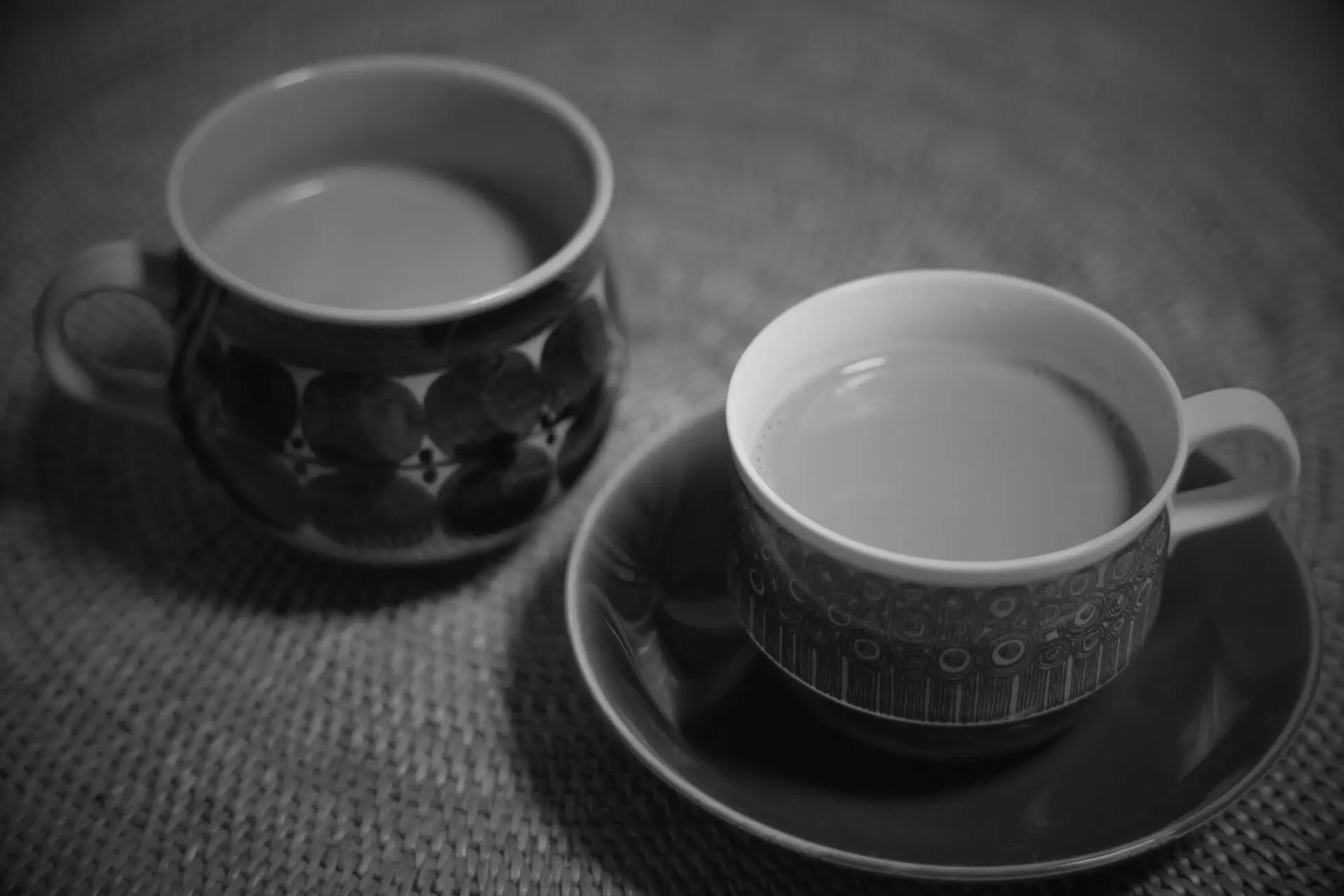
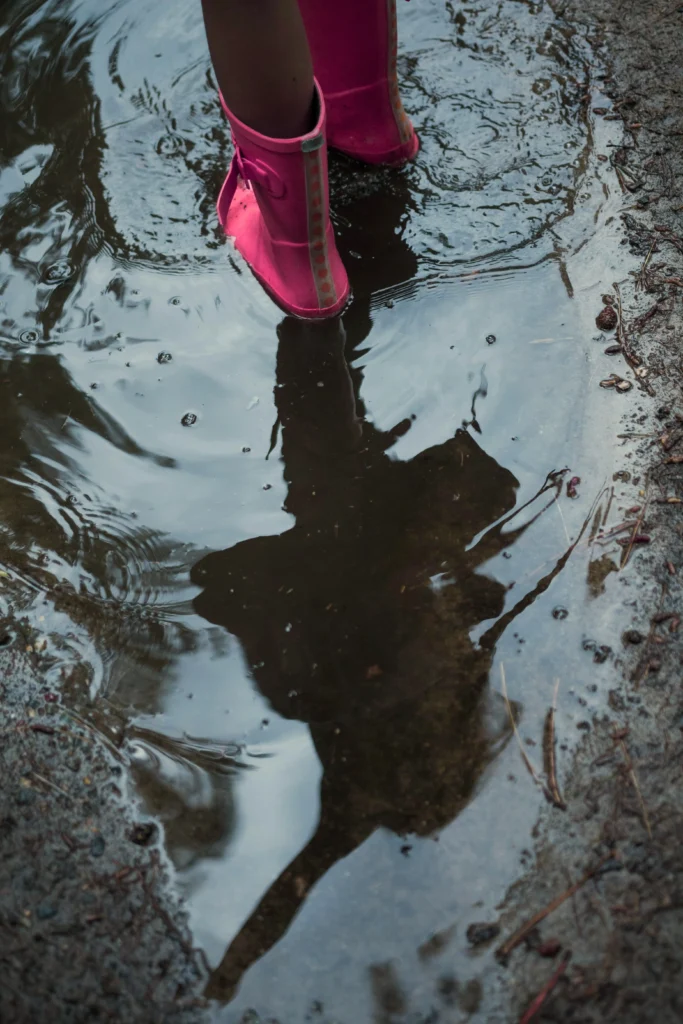
I sat with Death for the few days they were with me. Reliving old tales of glory, watching my child dance in the rain, and savoring my tea.
A Visit Over Tea
The honor of visiting with Death is… like with a good friend, not all pleasant. There is the weight and desperation that comes knowing you really would rather stick around. Live just one more day.
But there is also peace. Acceptance. The knowing that I have lived, grown, and learned much. And that, when the time comes, I will be ready… even eager to pack my bag and take a trip!
It would be nice to get a fresh start! Rather like the Earth after a refreshing shower!!!
And when the time comes and Death picks up their luggage and steps out my door, I smile and wave. Death is my friend. They came to see me, as friends are wont. And we had a good chat over tea.
Peace, Acceptance, and Gratitude
Now, as I watch them walk away, I am grateful—for the lessons, for the clarity, for the friendship I have with Death. After all, who else can you rely on to be there for you, no matter what or where?
I breathe deep and steep in the calm of knowing that life and death are not enemies, but companions on the same journey. I am here, fully alive, and I trust that when my time comes, I will meet Death as an old friend—with peace, curiosity, and a quiet cackle.
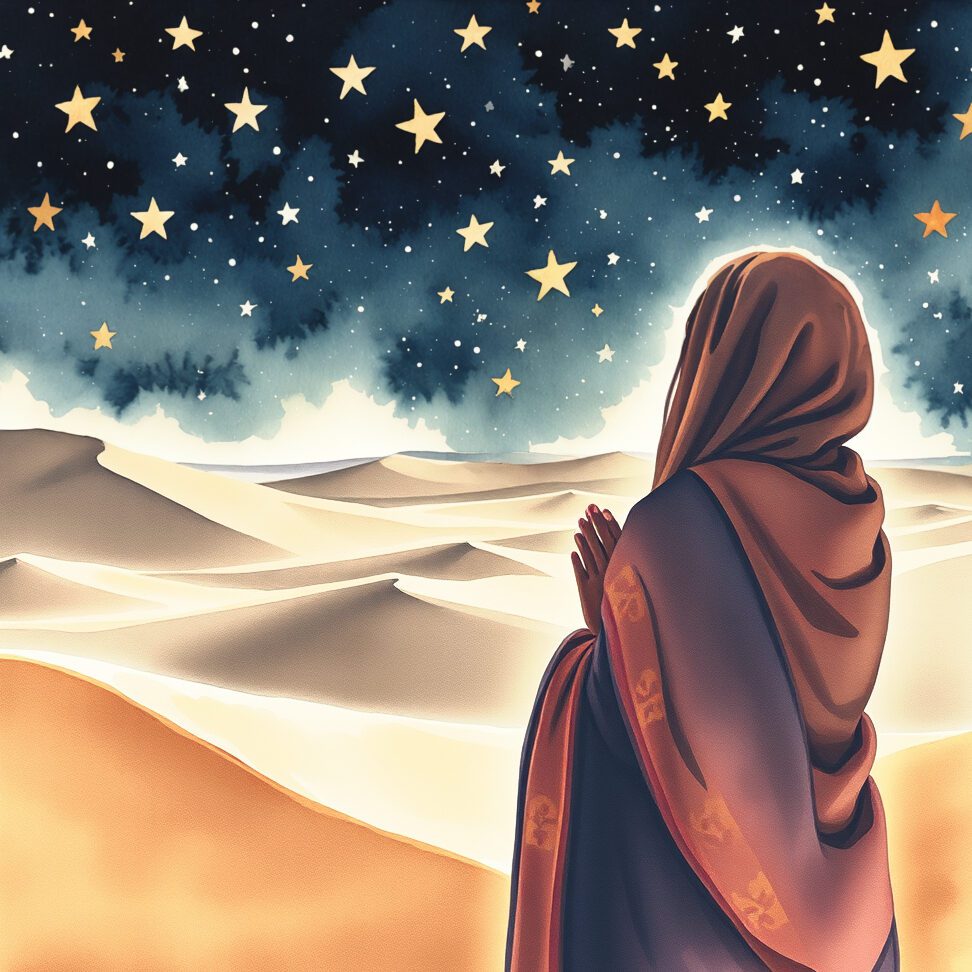
I watch the golden sun rise from its nightly grave—a reflection of all things: beginnings and endings, life and death, light and shadow. In this endless cycle, I find serenity, joy, and profound gratitude. Today, I will live. Today, I am ready to arise once more.
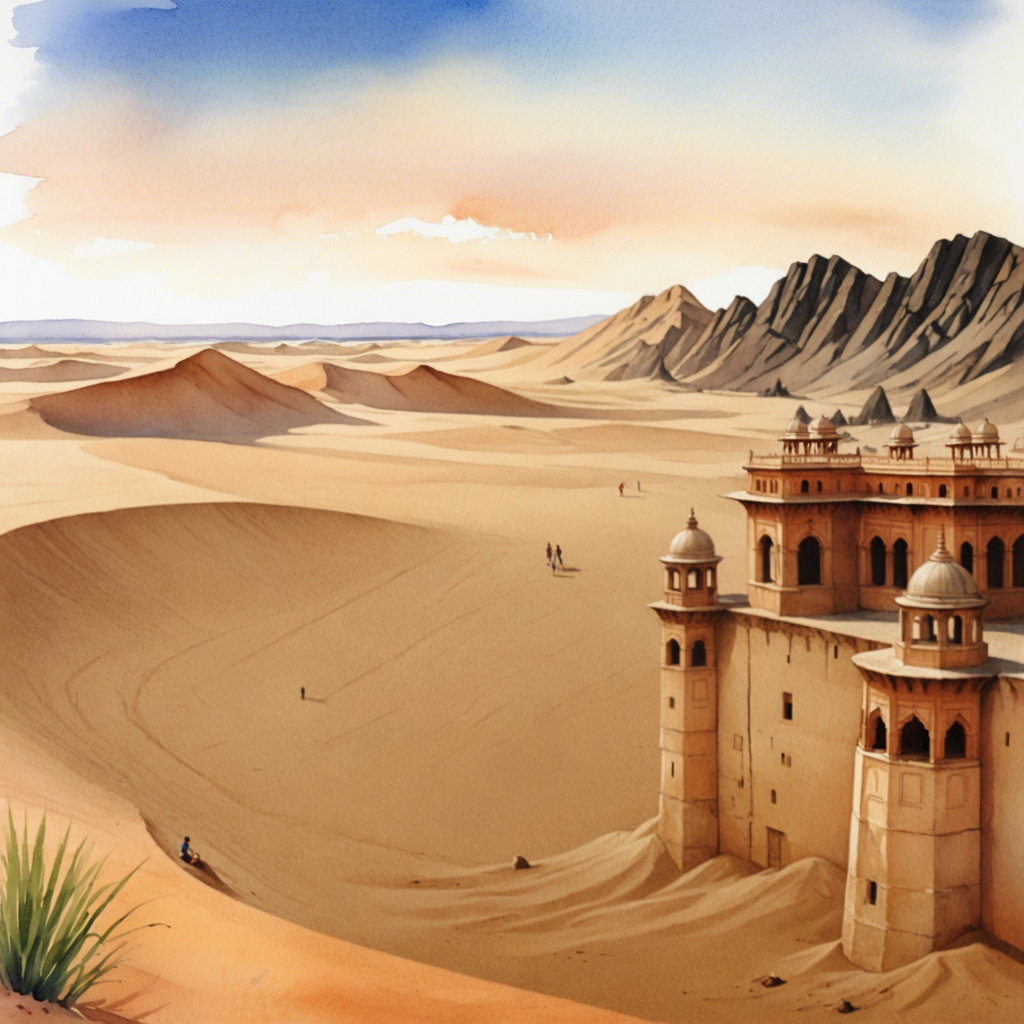
I am seated on a wooden stool out front of a small shop not unlike what you would call a coffee shop. There is not coffee here though, only a drink made from the roots of a wild shrub called in these parts Dragon’s Claw or in the native tongue Blechum. The dusty street is busy with camels, donkeys and towns folk soon to disappear as the night descends.
Over the brown rooftops the mountains loom in jagged black spikes against azure skies. The entire southern horizon is supported by this range of canyoned stones. To the north lies the Waste. A white and golden expanse of flat packed chalk and the famed Walking Dunes that are the reason I came north to this town. The dunes are moved in towering mounds by the winds across the flat desert floor.
Only the desert people live out there among the golden heaps. They know the ways to watering holes and can navigate the ever shifting land. As each dune walks its path the desert routes also are changing and flowing. The generations of desert people have learned the subtle awareness to maintain a life in the bleak land. If I can find a guide who will lead me I hope to embark into the walking dunes. For now though I wait, eyeing the passing crowds in hopes that a person may turn in with a story about this desert land to add to my book.
Soon the sun dips into the sands and a cool breeze picks up, easing the heat. A man pauses and comes into my shop. His white and blue robes rustle as he passes. When he emerges again he has a ceramic cup and I motion to the empty bench by my stool. He accepts and I notice he is younger than I’d thought. “Stranger in a strange land.” He speaks first, his voice accented and lilting. “Yes, a traveler. A story chaser.” I tell him of my travels and desire to collect stories from the people I meet. Then I pull out the leather bound journal I carry.
He smiles, teeth white against his browned face as he thumbs through the pages. “A scholar too.” He sets the book back on the table and lifts his cup. “A story umm? This is why you sit all day and wait?”
“Yes” I say, surprised he had noticed.
“And why me?” He turns a pair of sapphire blue eyes on me that show hidden laughter.
“You chose to sit. Will you share a story?”
He settles back against the wall and sips a few times as the fires and lamps begin to glow across town.
Azrym and the Nged
My name is Azrym. I was born into a western tribe of desert people called Nged. There were 6 children in my family which is large for the Nged. My family had many camels, desert cows, goats and a cat.
Our people travel between watering holes following ancient paths through the sand in search of food, gems and pelts. Some of the finest jewelry is made from the desert stones. They are dug from family mines that are covered and uncovered by the walking dunes. Each season my family comes to the Dragon’s Festival in Lahir to trade and sell the stones, pelts and goods from the year. The pelts come off of tumbling-bears. A golden animal with luxuriously soft fur. They travel in packs rolling with the wind that walks the dunes. They are only the height of a large dog, but sharper claws and teeth.
At my 15th Dragon’s Festival I met a man of great learning who offered me a place in his house to study and become educated. Lahir holds one of the world’s largest libraries and many people travel the long dusty road to learn from its books. I was honored to be given such an offer and the city appealed to my young heart. With my fathers permission I remained behind in Lahir with Jorval Nice, my mentor. The change from desert life to a scholar took several moons before I was comfortable in an enclosed house.
From Master Jorval I learned the movements of the stars and planets, the mathematics and functions of the great alchemists and philosophy as well. Though despite all the learning I found my desert family held the secrets of the Waste. The patient watching of the walking sand is not recorded by hand. It is only held in the hearts and minds of the Nged. This I think is for the best.
Can you tell me more about your desert life?
Being raised in a large family was hard. There is much work needed to sustain so many mouths and the sand is not forgiving. My family had many camels and the shaggy, stubborn desert cows. They all needed food as well so we traveled much to keep the desert from starving the animals. If we had animals, we had food. The desert people live on milk and meat from the livestock supplemented by Blechum, the Dragon’s Claw, berries and other wild plants.
Yes there are plants in the Waste. The watering holes have a surprising variety of life and even in the dunes there is life. For example, one plant, I do not know its common name, but in our tongue Ool which translates to life. Though more specifically giver or provider of life. This plant is a low vining type with furry leaves that gather the dew and store it away in its root.
This plant is very important and sacred to the Nged and not just because it has moisture, but because it quenches the pains of thirst and sustains the body’s natural water. (I later did more studies on ool and the best information I can find is that it contains electrolytes, minerals and sugars keeping the body better hydrated than just water. It also has some sort of magical properties too.).
Besides the ever pressing search for water and food there is hunting and mining as well. Both were good, but as the outsiders come so comes the desire for wealth. You have seen the bear pelts, yes? Soft as silk and warmer than a sheep’s coat. We hunted the tumbling-bears, known as vernged to my people, for their warm pelts in the killing cold moons.
Those who came from the south saw the golden pelts and traded their very children in greed. Now many of the Nged hunt to buy more camels and trinkets. The desert stones followed the same fate. First used to decorate our wives and bring them joy. Occasionally used to trade for a camel. Now there are holes like dark wounds in the earth from the lust for wealth in a few bright stones.
These things I do not like. They bring sorrow to the Sha’a’ooli’ima, the great ones who watch over us. The Sha’a’ooli’ima are the ones who gave my people the ool plant. Um that is a good story. I will give you…
The Story of Lhaami
Long ago before the winter of death when the great serpents still frequently came down from the mountains and Valneer Serpent Slayer was still among the stars. There lived a man called Bōur of the Nged people. He was husband to the beautiful Lhaami. These two shared a timeless love and as a saying in our people goes it was like a thirsty camel and a watering hole.
Each day was spent working side by side singing of the blessings of Sha’a’ooli’ima. Bōur’s hunting trips were the only time of separation for the lovers and Lhaami would wait anxiously for the return of Bōur. Together Bōur and Lhaami had two children, Bemi and Vooneth. They were a comfort and joy to Lhaami when Bōur went into the desert. So it was that this happy family spent many good years traveling between watering holes, blessed by Sha’a’ooli’ima.
Then a year came and the cold moons approached. Bōur kissed Lhaami and said “I must go out once more to hunt the vernged, the bears. The desert speaks of many cold moons and the children grow quick. They will need new pelts before the warmth returns.” He turned then and taking a camel walked into the drifting sands.
Lhaami went about her days singing to little Bemi and watching Vooneth gather the herds. Each day passed quickly, but the nights as Lhaami tended the fire dragged on weary feet. As long days passed and Bōur did not return, Lhaami grew worried. Soon to her people began to grow restless. The herds wandered farther in search of food and the watering hole needed a rest.
Each watering hole can provide water for several moons but then its water will recede and our people must move on.
As the time approached Lhaami spent more and more of her days staring into the dunes praying Sha’a’ooli’ima would guide her Bōur home. But as the moon faded she began to pack. Little Bemi, not yet to a camels knee begged her omi, her mother “where is daji? Where is daji?” To which only tears were the answer.
“Come Lhaami. We must go.” The people of the Nged roused her from a sleepless watch and led by Vooneth she followed.
Slowly the Nged people moved and began to wind away across barren sands moving north toward the Nung watering hole. A lone figure trailed behind, bowed down in grief, her salt tears falling to dry sand as they left the empty water hole.
Far across the burning sands sheltering beneath a waystone lay Bōur. His hunt gone awry in the heat of the kill when a great vernged had turned sharp claws upon Bōur and tore his leg. Thus wounded he had crawled to his camel only to find it fled into the desert taking everything with it.
Then Bōur lifted his voice to Sha’a’ooli’ima to spare his life that he might not leave Lhaami, the shining one, alone to care for their children, little Bemi and laughing Vooneth. He bound up the wound as best he could and crawling slowly to a great waystone he rested.
But rest was short since Bōur had no water to sustain him. Each night he dragged tired limbs through sandy valleys calling to Sha’a’ooli’ima to support him. His love driving him onward hurrying against the fading moon when he know the time would come and his people would move to a new watering hole.
From far above the Sha’a’ooli’ima heard the cries of Lhaami and Bōur. This couple They had heard many times before singing their joy and gratitude for the blessings and gifts bestowed by Sha’a’ooli’ima.
The pain and sorrow that came up before Them now was great and spoke of the trust and love each had for each other. It was pure and touched the hearts of Sha’a’ooli’ima as they listened:
“If not for us. For our children and their children. That love may remain strong and we may together sing your praise forevermore.”
Taking these prayers before council, Sha’a’ooli’ima decided: “The desert is unforgiving, but in mercy we will provide a way to return Bōur to his wife, that the sorrow of Lhaami may end and their children will know our love for them.”
Reaching the muddy watering hole Bōur found his Nged family gone and with them Lhaami. He sucked the water from mouthfuls of mud and gave thanks to Sha’a’ooli’ima for leaving a few drops to quench his thirst. Finding an old water flask he carefully squeezed the water from the mud and turned to face the desert.
Standing where once his tent had been he once more called to Sha’a’ooli’ima for guidance. His gaze was caught by a flower he did not recognize. A simple drop of white cupped in the golden sand. Stooping Bōur gazed in wonder at this new flower and the flower spoke:
“Bōur of the Nged. The Sha’a’ooli’ima have heard your prayers and Lhaami’s sorrow has reached Their ears. I will lead you and provide life through the giving of my life”
Following the flower’s instructions, Bōur dug its vining top and found a root of surprising size. This he then ate and as the sun lowered in the sky he faced the desert once more and began walking north, listening for the flowers’ guidance and trusting Sha’a’ooli’ima.
The dark dunes watched as Bōur limped slowly past, favoring his wounds. Bōur learned to see the soft white droplets of life hidden in the sands and so moving north Bōur subsided on his one flask of water and the little flower that gave its whole self to keep him alive.
This plant he gave the name Ool for it gave strength and revived his weary body.
Thus it was that a full moon came and went with aching heart. Lhaami each night as her children slept kept vigil at the edge of the Nung watering hole. Singing a prayer for Bōur’s return as the moon rose softly from her sleep among the sands.
As Lhaami watched, a strange shadow was thrown by the moon’s light. A shadow, distant and shifting, but a shadow her heart knew better than any other.
“Bōur!!!” She cried out fearing to hope.
The shadow remained and did not flee at her shout. Instead it continued to draw closer and closer till it was overshadowed by a great dune and Lhaami felt the dark fears press round once more.
“Bōur?” She called and from the darkness
“Lhaami?” Great was the joy of these lovers when once more they found each other’s arms. Weeping and laughing under a shining moon their joy beyond known bounds.
It was there in the darkness and moonlight that Bōur saw from whence his white flower came.
“Look, Lhaami.”
And Lhaami through her tears looked and saw her tears splash down in the dry sands and from this drop sprung up a single white flower as pure and bright as Lhaami’s love for Bōur.
And thus it is that from love and sorrow was given to the Nged, Ool, the provider of life.
A plant willing to sacrifice its life for the life of another.
The End
Somewhere a night hawk calls. The stars gleam like jewels in the black velvet of night. I feel Azrym’s words floating away on the cool breeze. Returning to the desert from whence he called them. We sit then a while in the cool night enjoying the stillness. Finally Azrym stirs and stands
“the night grows late, my friend”
I nod, sad to see the story end “thank you. It is a good story”
“my mother tells it better” he says, “she has a way with the old tales. If you stay till the Dragon’s Festival come find me and we will ask her for more stories of Bōur and Lhaami.”
We part then and I watch Azrym’s shadowy figure disappear before I too set my cup on the window ledge and wander down the street to my camp.
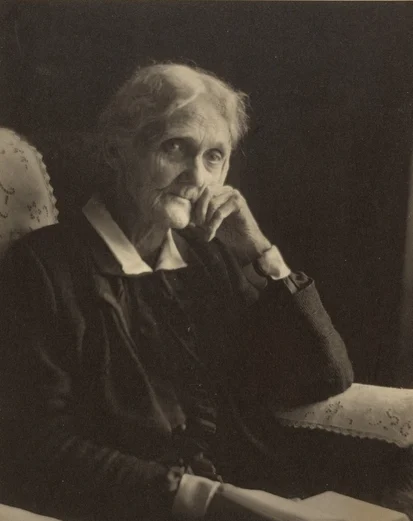
Who is Granny Willow? She is me… well not quite yet.
She is the woman I am striving to become!
Now you wonder “why ever would you want to be an old lady? You have so many years ahead of you before you have to be old. What is there to look forward to in a decrepit body?”
These are valid questions. But it’s not about being old — it’s about embodying the way grannies take on the world: their quiet freedom from others’ opinions, their tender love for all of creation, and their deep, unwavering trust in themselves.
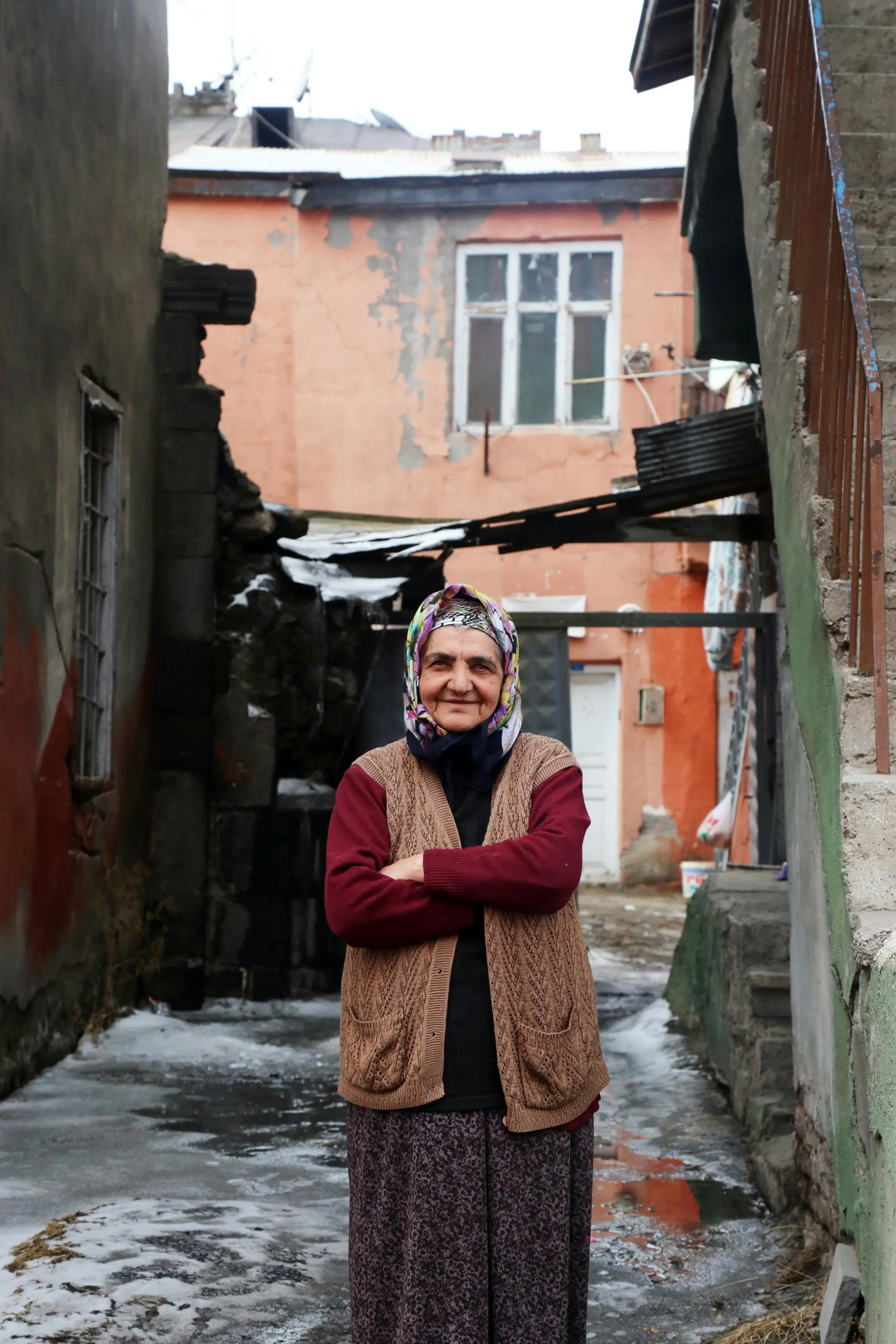
Grannies come in many shapes and sizes! They wear the wildest combination of flamboyant art like a runway model. Unashamedly announcing themselves to the world.
You will find them in in the store “wasting” your precious seconds as they carefully select the perfect apples. She is in no hurry and enjoys each moment knowing it may be her last apple. You will meet them at the bus station and by the time the bus rattles up to your stop you know more about this quaint lady than your best friend’s mother.
Grannies are not afraid to bare their soul to the world and in doing so they brighten your life with sparks of wisdom.
The war against authenticity!
Each day flows into the next—a mad rush to catch up with endless work, pay the bills, and chase some ever-distant idea of success.
Suddenly an old granny catches you by the elbow and insists you come in for a “quick” chat. Her age demands respect and despite the 152 pressing items on your list you find yourself lounging in her garden with a glass of fresh lemonade.
For the next hour you are trapped enjoying the sunshine. Repressing the panic of needing to get home to finish your list before collapsing into bed. Only once freed of her charm do you notice the yearning to be back in her garden where you were free to relax and just be…
That hour lingers in your memory—not because of what you missed, but because of what you found.
The quiet reassurance that life is on your side. That though you may feel like you’re fighting to stay afloat, the seasons always change. Night always gives way to morning. And somehow, life carries on.
Life lessons from Granny
Granny knows each second that passes is bringing her closer to her death. She walks hand in hand with death and has learned to cherish each fleeting second. Her twinkling eyes have seen a lifetime of pain and struggles.
Time and time again, she struggled from the ashes of her hopes—bruised elbows, scraped knees, and a heart shaped by birth, death, and betrayal. She has been through it all, and she knows that she did her best.
She learned the secret of living life to the fullest it to trust your heart and the rhythms of the earth.
Despite what the world thinks. Despite what folks say. Despite the rumors whispered about the old witch at the end of the lane… Grannies light up the world simply by living authentically—moment by moment.
Don’t wait to be authentic!
Sooooo… why not live like a granny today? Build your dream, sing your song, wear that purple bonnet with red roses, pull out your fine China on Wednesday! Why save your joy for tomorrow if tomorrow may never come?
Getting old is not all glamour and ease, so isn’t that all the more reason to change our mindset now? What if we let go of the world’s need to fake a perfect life, and instead embraced our authenticity?
No one told you not to wear polka dotted kerchiefs! (And if they did, they are wrong).
Remember, living authentically isn’t some privilege reserved for the old, it is a beautiful choice we can decide each day.
And that, my dear reader, is who Granny Willow is!